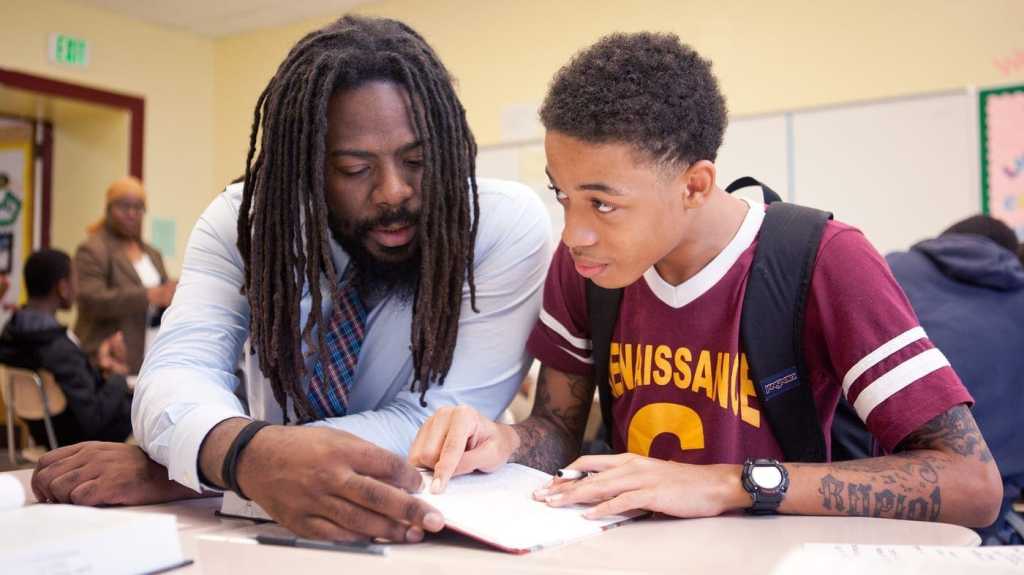
Learning is not just about intelligence — it’s about safety, stability, and emotional regulation.
A child can be brilliant, gifted, creative, and eager to grow…
but trauma can shut down the very parts of the brain responsible for learning.
Childhood trauma doesn’t just impact emotions.
It impacts:
- memory
- focus
- attention
- motivation
- behavior
- confidence
- problem-solving
- emotional regulation
And if untreated, these struggles follow a person into adulthood — affecting careers, relationships, self-esteem, and spiritual development.
This blog breaks down how trauma affects learning and why healing is essential for unlocking a person’s full potential.
What Counts as Childhood Trauma?
Trauma isn’t just “big, dramatic events.”
It’s anything that overwhelms the child’s emotional system.
Examples include:
- abuse (emotional, physical, sexual)
- neglect
- abandonment
- exposure to violence
- addiction in the home
- inconsistent parenting
- poverty or instability
- bullying
- being overly controlled or heavily criticized
- a parent with mental illness
- chaotic or unpredictable environments
A child doesn’t have to be physically hurt to be traumatized.
Any environment where they felt unsafe, unseen, or unheard affects the brain.
How Trauma Affects the Brain (Simple, But Life-Changing)
Trauma literally rewires the brain.
1. The brain stays in survival mode
A traumatized child lives in fight, flight, or freeze.
This means the brain prioritizes:
- danger detection
- self-protection
- fear responses
Not:
- learning
- creativity
- planning
- critical thinking
A child can’t focus on math or reading when their brain believes they’re in danger.
2. Trauma disrupts memory and focus (the hippocampus suffers)
The hippocampus is responsible for:
- learning new information
- storing memories
- organizing thoughts
Trauma shrinks or weakens this area.
This is why traumatized children often:
- forget instructions
- struggle with reading comprehension
- get overwhelmed easily
- “space out”
- have trouble recalling information
It’s not laziness.
It’s neurological exhaustion.
3. Trauma makes learning emotionally draining
School becomes difficult because:
- concentration feels like climbing uphill
- small tasks feel overwhelming
- correction feels like rejection
- group work triggers insecurity
A child cannot learn when they’re emotionally overloaded.
4. Trauma impacts self-esteem — and confidence affects learning
Children develop beliefs like:
- “I’m stupid.”
- “I can’t do this.”
- “I’m always wrong.”
- “Everyone is better than me.”
- “Something is wrong with me.”
They give up before they try.
They avoid challenges.
They procrastinate out of fear.
Trauma creates a negative self-narrative that becomes a mental prison.
The Long-Term Effects: When Trauma Follows You Into Adulthood
Untreated childhood trauma becomes adult struggle.
Adults who experienced trauma as children often:
- struggle to focus
- freeze when learning something new
- procrastinate often
- feel mentally exhausted
- overthink every mistake
- fear criticism
- have trouble staying motivated
- avoid classrooms, careers, or skills that challenge them
- feel “not smart enough” or “behind”
They don’t realize:
It’s not a lack of intelligence — it’s the residue of trauma.
How Trauma Shows Up in Adult Learning
You might notice:
- difficulty finishing tasks
- anxiety during new lessons
- fear of looking “dumb”
- feeling mentally blocked
- perfectionism
- avoiding opportunities
- comparing yourself to others
- being overly hard on yourself
- easily overwhelmed by new information
This is not character weakness.
It’s a trauma response.
Spiritual Truth: Trauma Attacks Identity — Not Ability
The enemy wants people to believe:
- they’re incapable
- they’re slow
- they’re inadequate
- they’re “behind”
- they’re less than others
But God says:
“I have not given you a spirit of fear, but of power, love, and a sound mind.”
(2 Timothy 1:7)
Trauma challenges belief.
God restores identity.
When a person heals, their mind becomes:
- clearer
- stronger
- more focused
- more creative
- more capable
Trauma doesn’t remove intelligence — it just blocks access to it.
Healing Makes Learning Possible Again (And Easier)
When you heal your inner child, your adult brain:
- calms down
- learns faster
- remembers easier
- focuses longer
- becomes more confident
- adapts quicker
Healing opens the mental capacity trauma once closed.
How to Heal and Rebuild Your Learning Ability
Here are the steps that transform the mind:
1. Recognize your trauma — stop blaming yourself
You cannot heal what you deny.
2. Release the shame
You are not behind. You survived what others never had to face.
3. Rewire your beliefs
Replace:
“I’m not smart,”
with
“I am capable and growing.”
4. Develop emotional regulation
When your body feels safe, the mind becomes free.
5. Set small learning wins
Build confidence step by step.
6. Surround yourself with empowering, patient voices
You need support, not pressure.
7. Pray for restoration of the mind
God renews what trauma damaged.
8. Create structure — trauma thrives in chaos
Routine builds stability.
Your Trauma Is Not Your Identity
You are not your past.
You are not your survival mode.
You are not your trauma response.
You are not your childhood wounds.
You are a whole, intelligent, capable, God-designed human being.
Your mind is powerful.
Your brain can heal.
Your future can flourish.
Trauma may have delayed you —
but it cannot defeat you.
Healing will unlock the versions of yourself you always knew were there.
Blessings & Strength,
Corwin L Guilliams
Founder/CLG Lifestyle

CLG Lifestyle is more than a brand — it is a kingdom-driven movement rooted in the transformation of the whole man. Built on the pillars of faith, family, forgiveness, fitness, fashion, relationships, self and community development, mindset, and God-given identity and purpose, CLG Lifestyle exists to develop men from the inside out.
We believe that every man is called to rise — to lead himself first, then his family, and ultimately his community. But that rise requires alignment with God, discipline in character, and intentional growth in every area of life.
At CLG Lifestyle, we teach men to build:
• Faith
as the foundation of strength, clarity, and direction.
• Family
as the first ministry and the center of a man’s legacy.
• Forgiveness
as the key to emotional freedom, healing, and forward movement.
• Fitness
as discipline for the body, sharpening the mind and spirit.
• Fashion
as presentation — because kings carry themselves with excellence.
• Relationships
as kingdom connections built on honor, trust, and purpose.
• Self & Community Development
as a commitment to personal growth and the upliftment of those around us.
• Mindset
as the internal engine that shapes habits, decisions, and outcomes.
• God-Given Identity & Purpose
as the ultimate calling that defines a man’s path and destiny.
CLG Lifestyle calls men to rise above mediocrity, break negative cycles, grow in emotional and spiritual maturity, and become disciplined leaders in every arena of life. We believe that a man grounded in faith and aligned with his God-given identity becomes unstoppable — not because life gets easier, but because he becomes stronger.
This brand is for the man who is evolving.
For the man who is rebuilding.
For the man who chooses responsibility over excuses.
For the man who wants to honor God, lead his family, heal from his past, strengthen his body, elevate his presentation, and contribute to his community.
CLG Lifestyle isn’t just motivation.
It isn’t just content.
It isn’t even just lifestyle.
It is a standard — a blueprint for becoming the man God designed you to be.
Welcome to CLG Lifestyle,
Where Kingdom Identity Becomes Your Earthly Reality.
Follow the Movement:
Website: https://clglifestyle.com/
Instagram: https://www.instagram.com/clglifestyle/
YouTube: https://www.youtube.com/@clglifestyle/
Facebook: https://www.facebook.com/CLGLifestyle/





 CLG LIFESTYLE
Leave a comment